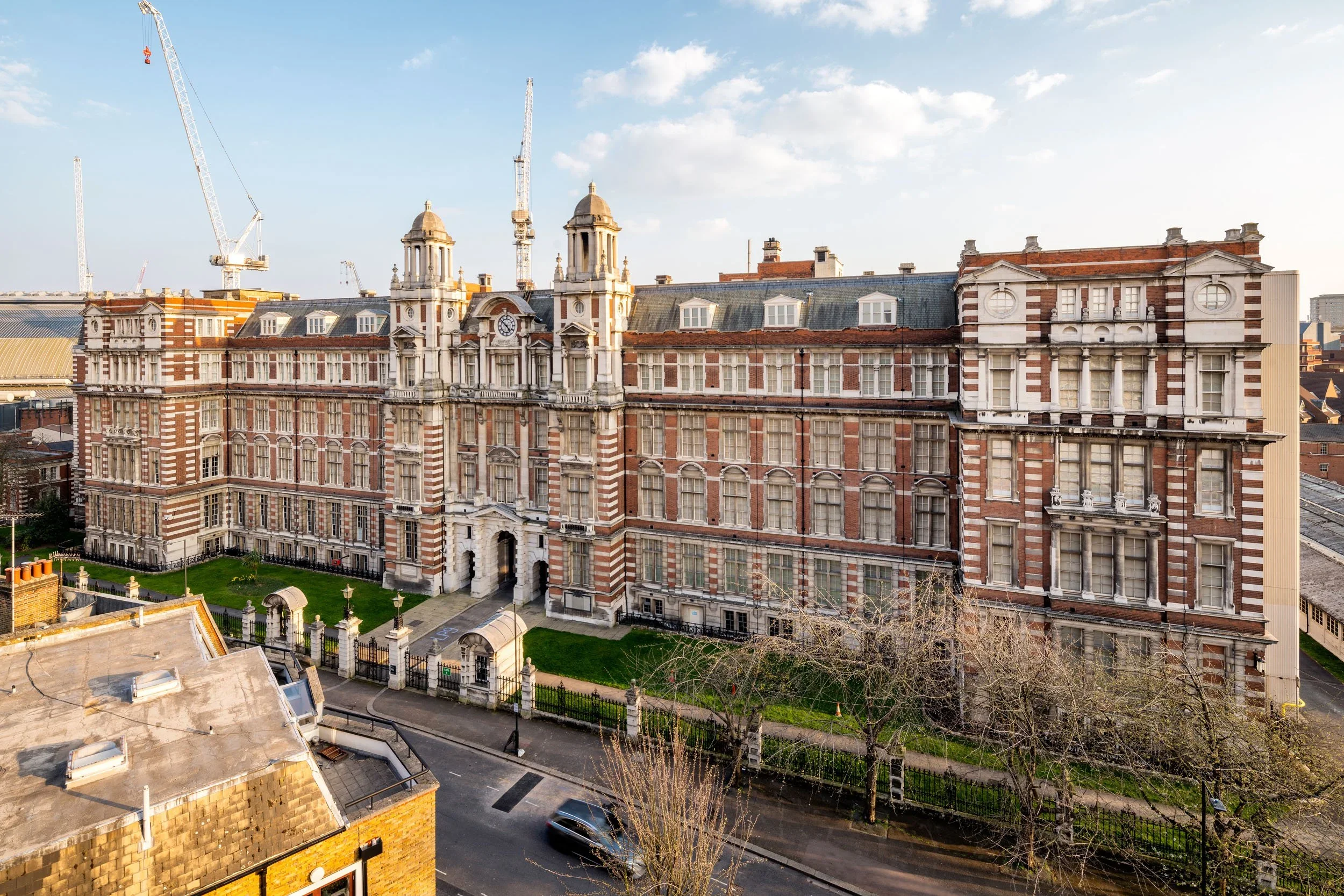
Blythe House is a highly significant Grade II listed institutional building located in West Kensington, London. Constructed between 1899 and 1903, it was originally designed as the headquarters of the Post Office Savings Bank, embodying the ambition, permanence and civic confidence of British public architecture at the turn of the 20th century.
For much of its later life, the building played a quieter yet critical role, serving as archive and storage facilities for major national institutions including the Victoria and Albert Museum, the Science Museum and the British Museum. This long period of institutional use helped preserve much of its original spatial clarity, structural logic and architectural character.
The photographic commission
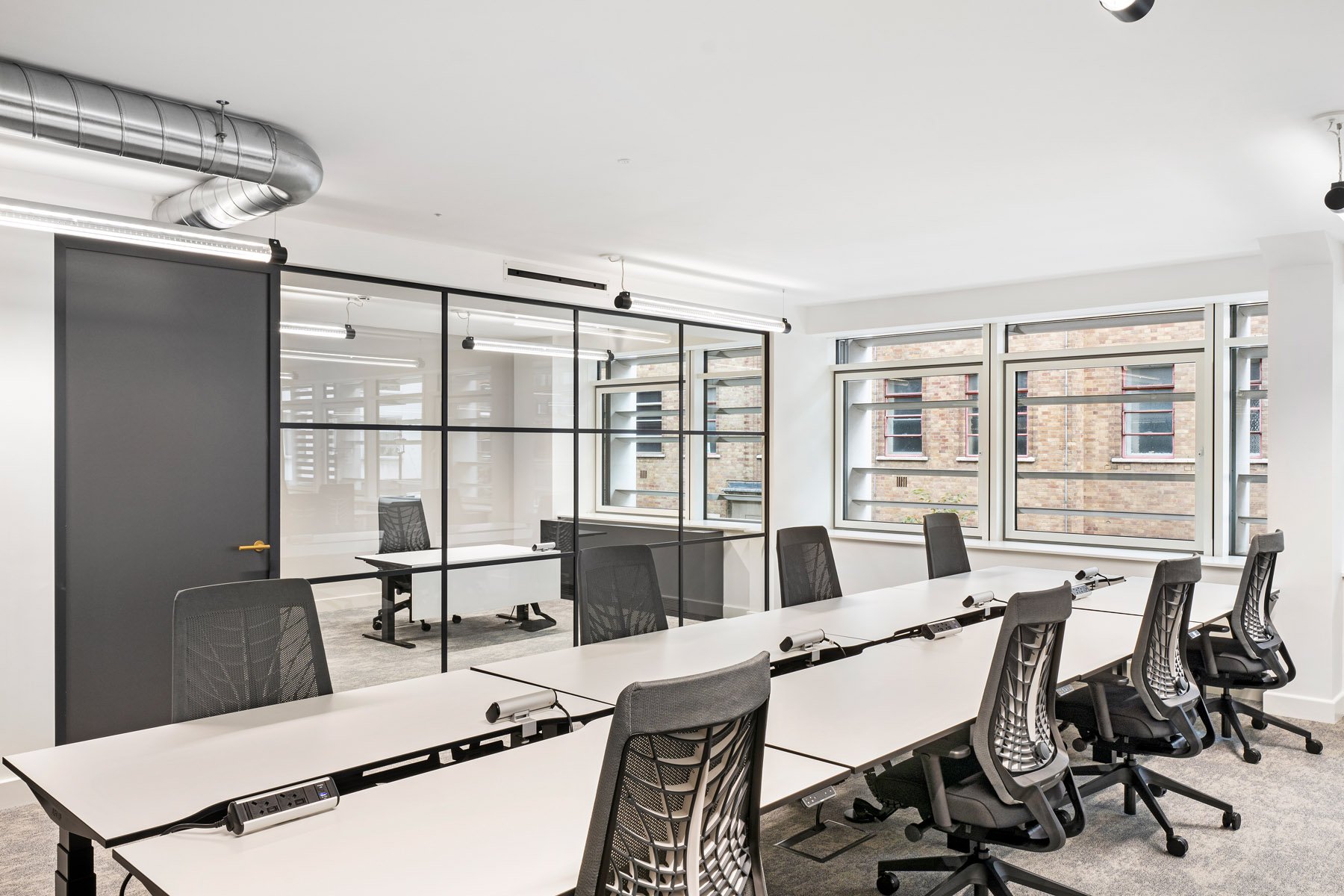
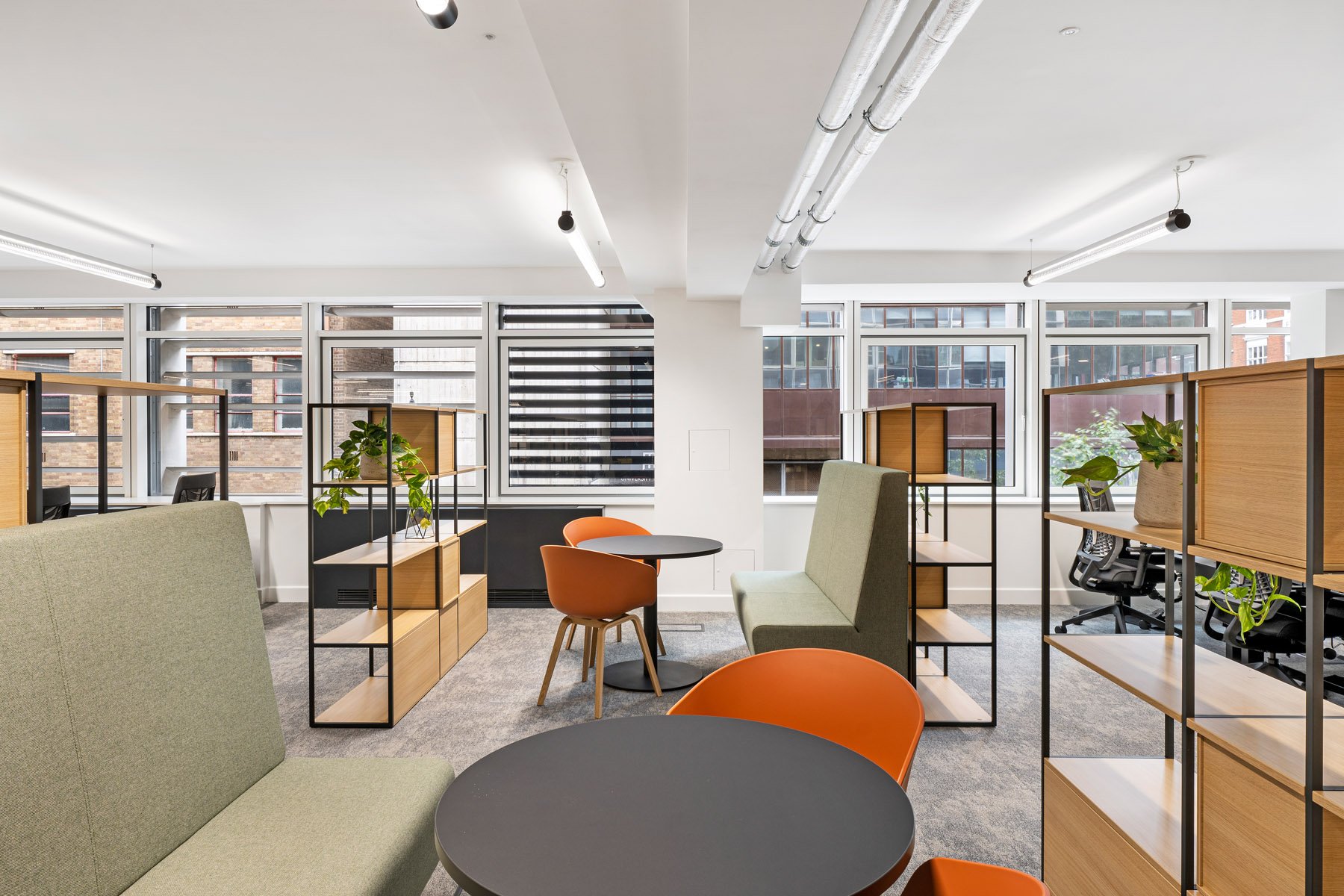
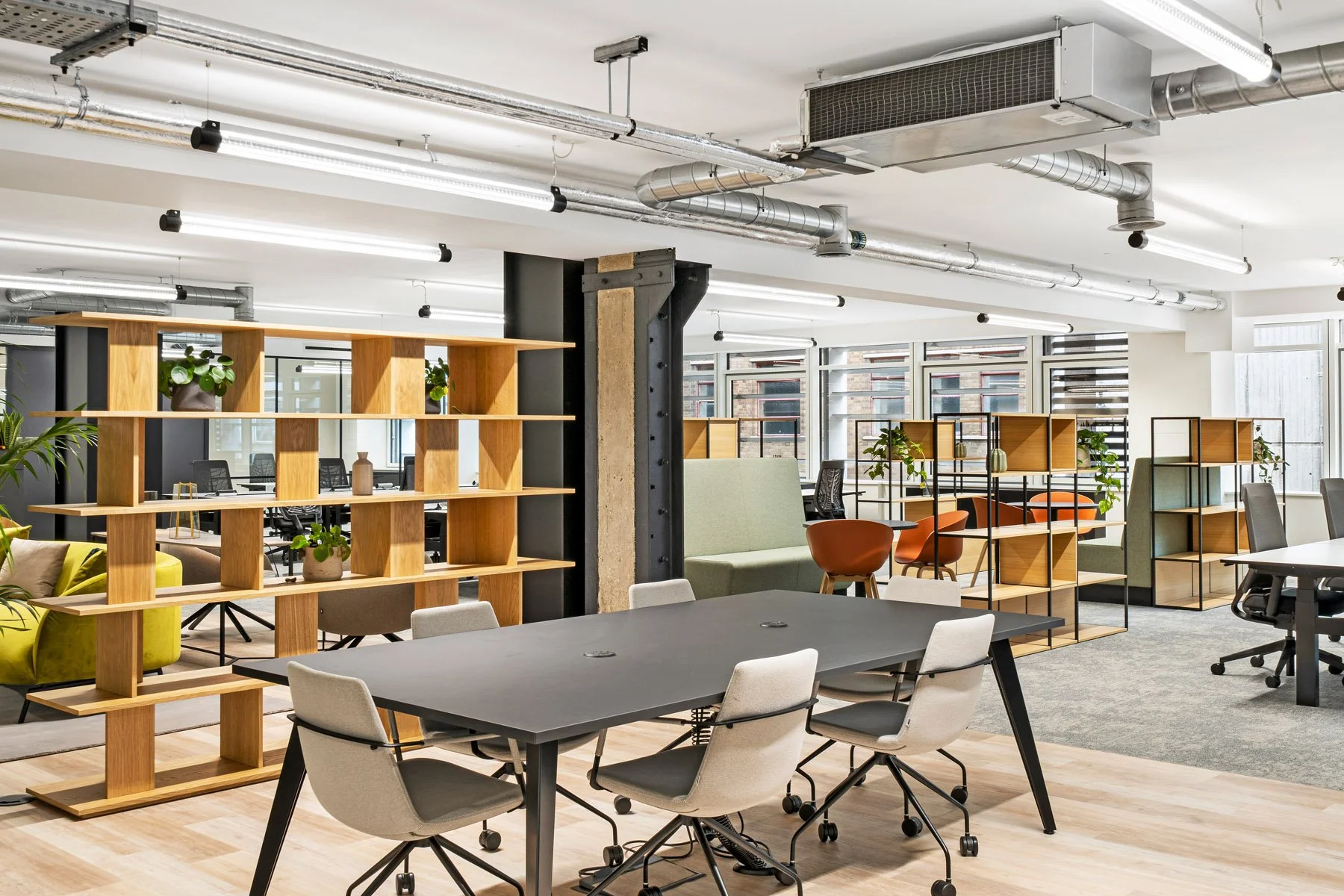
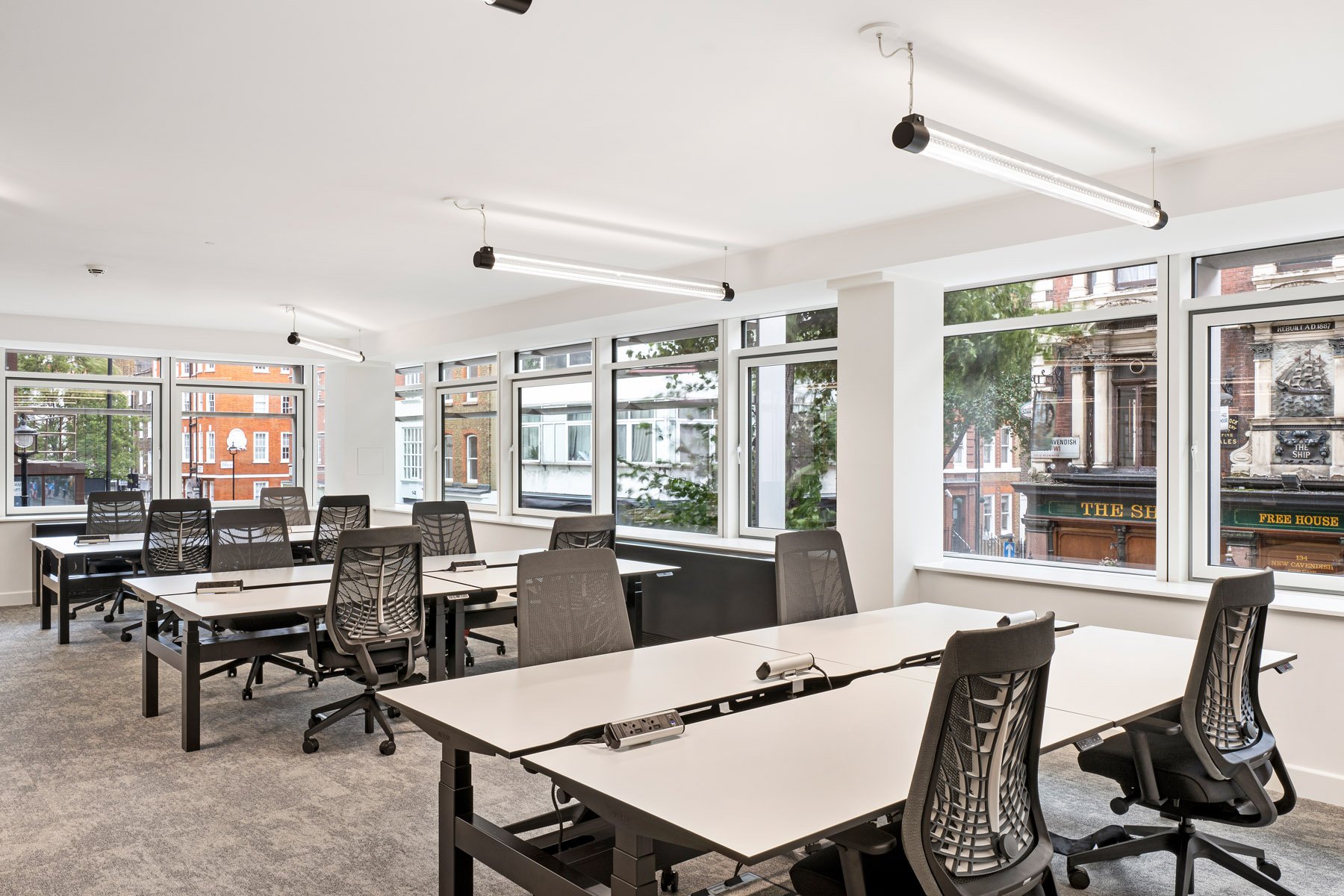
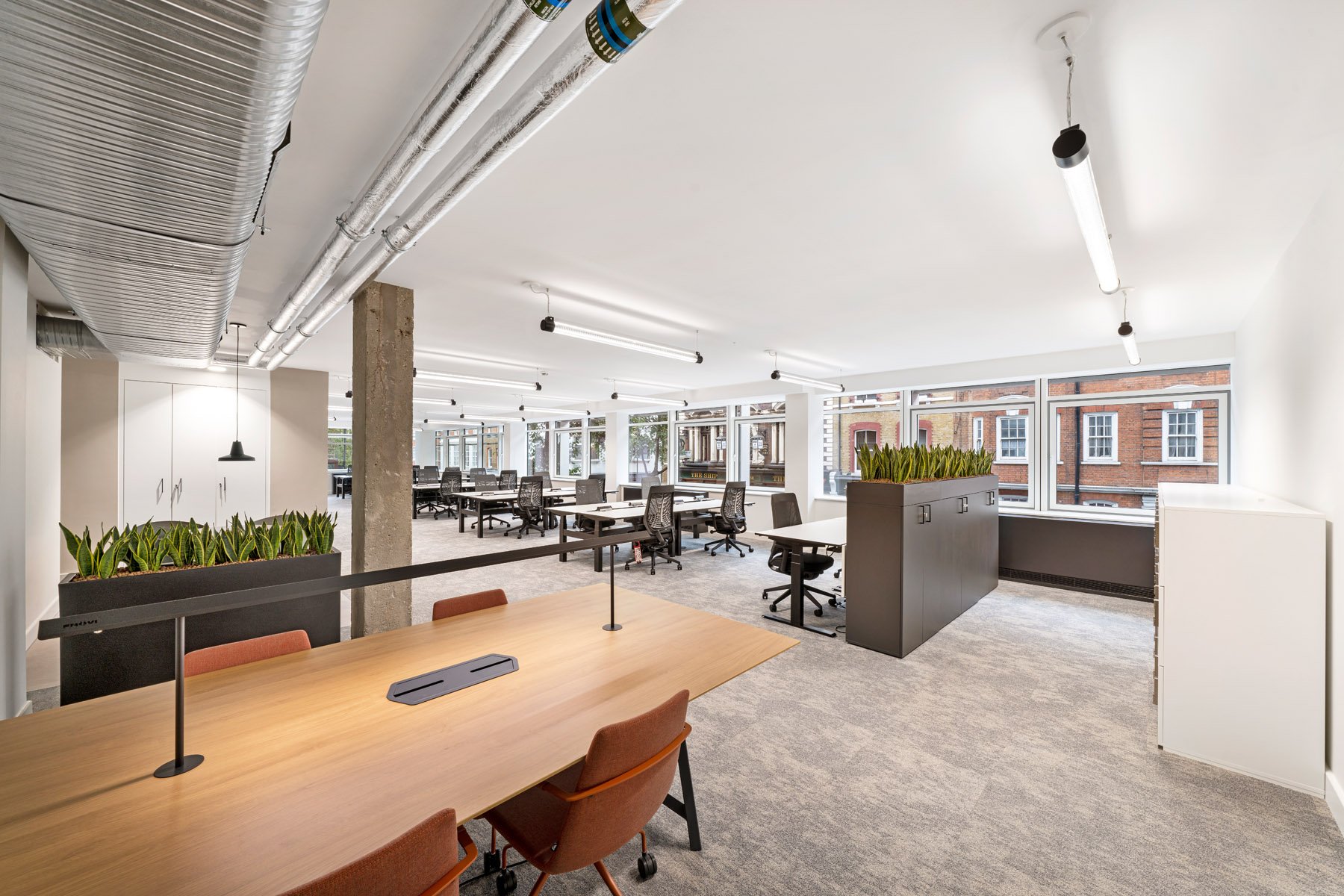
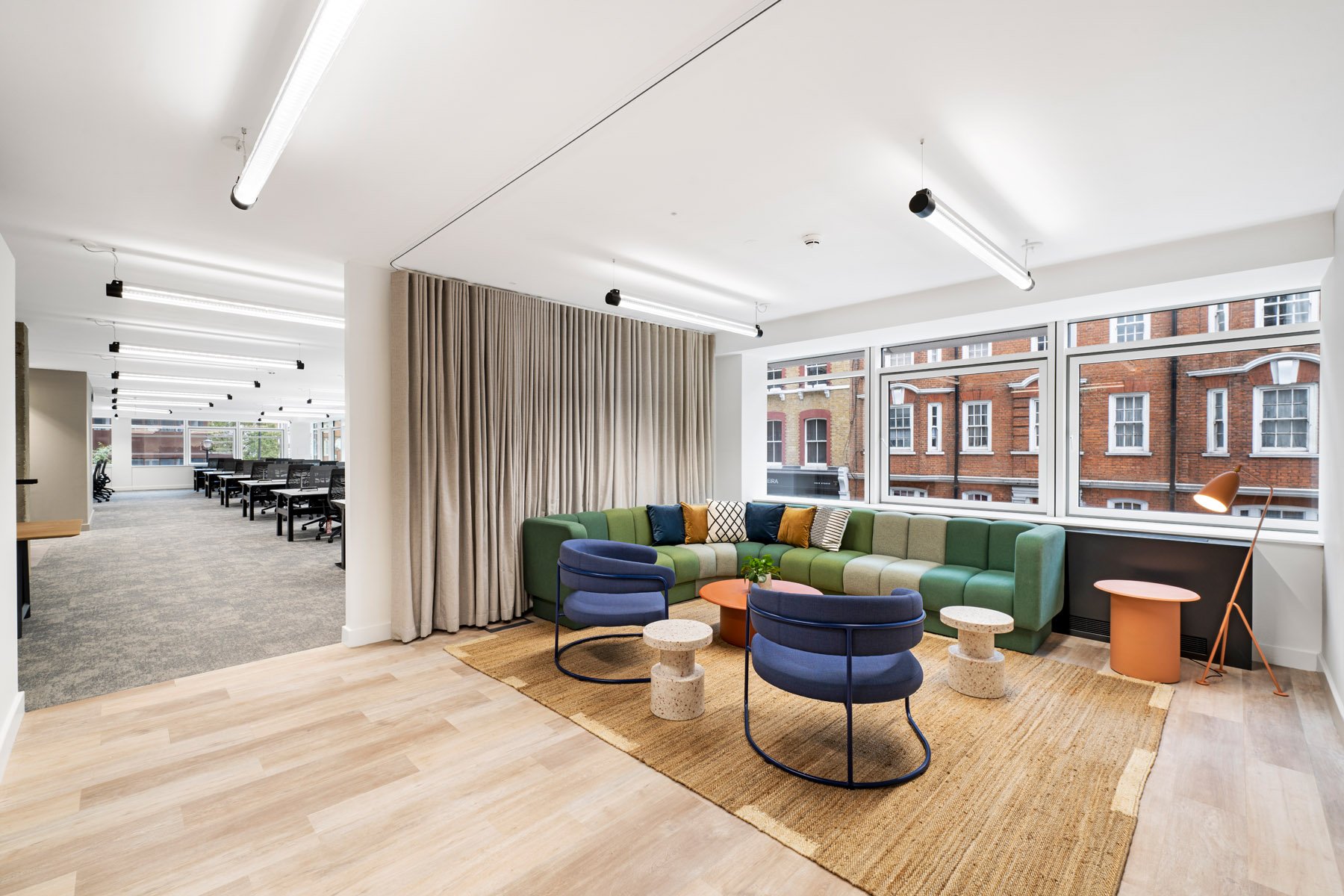
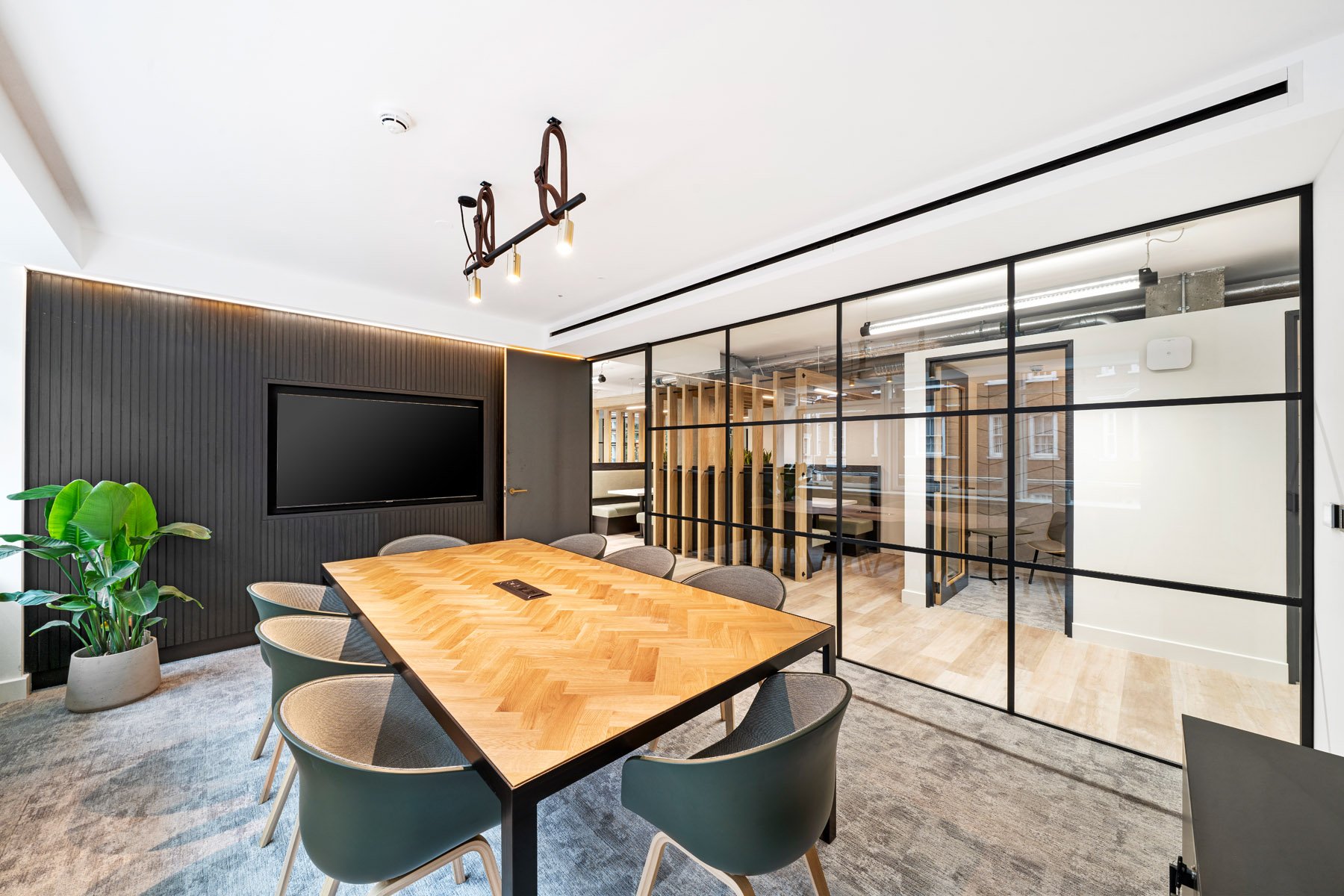
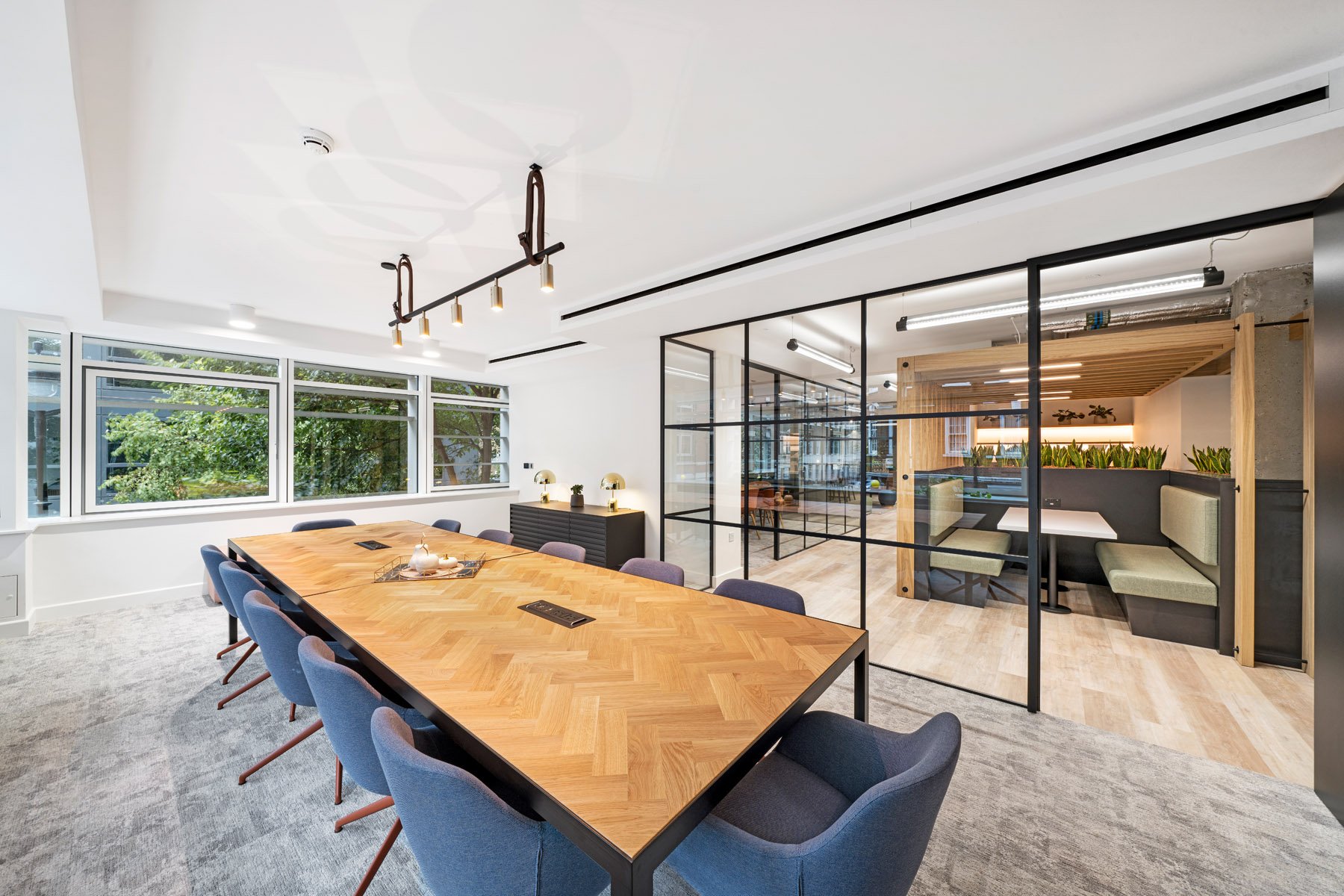
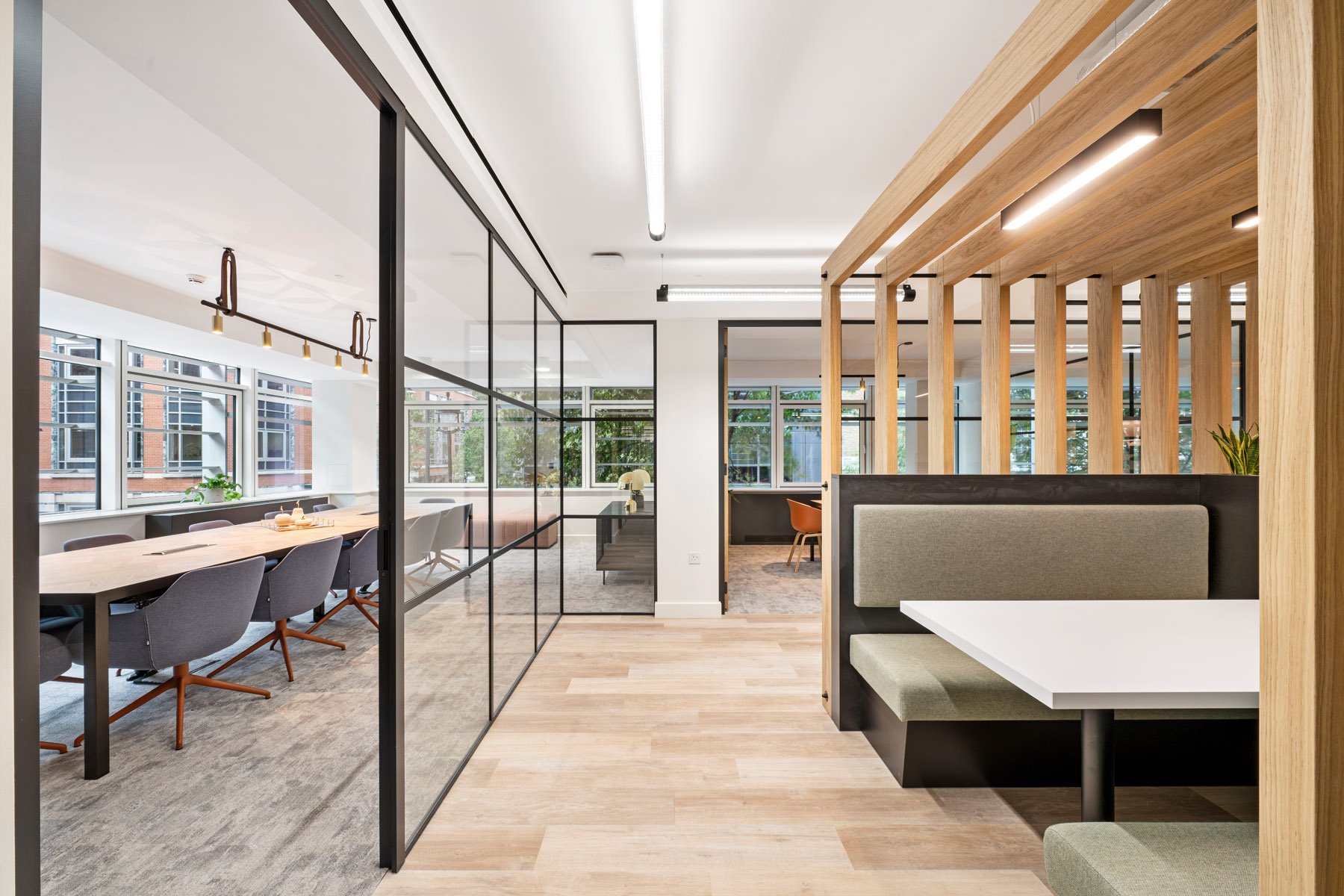
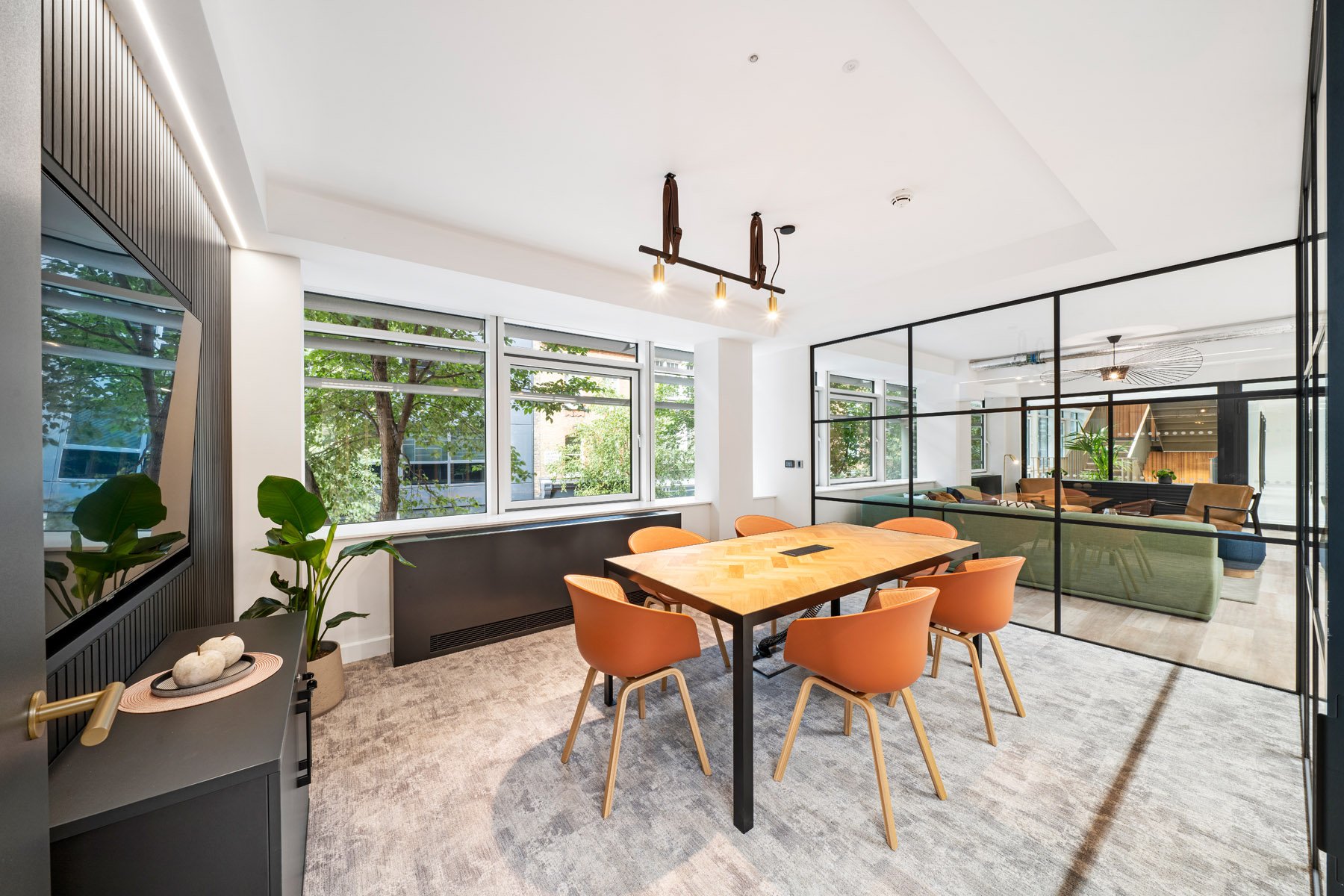
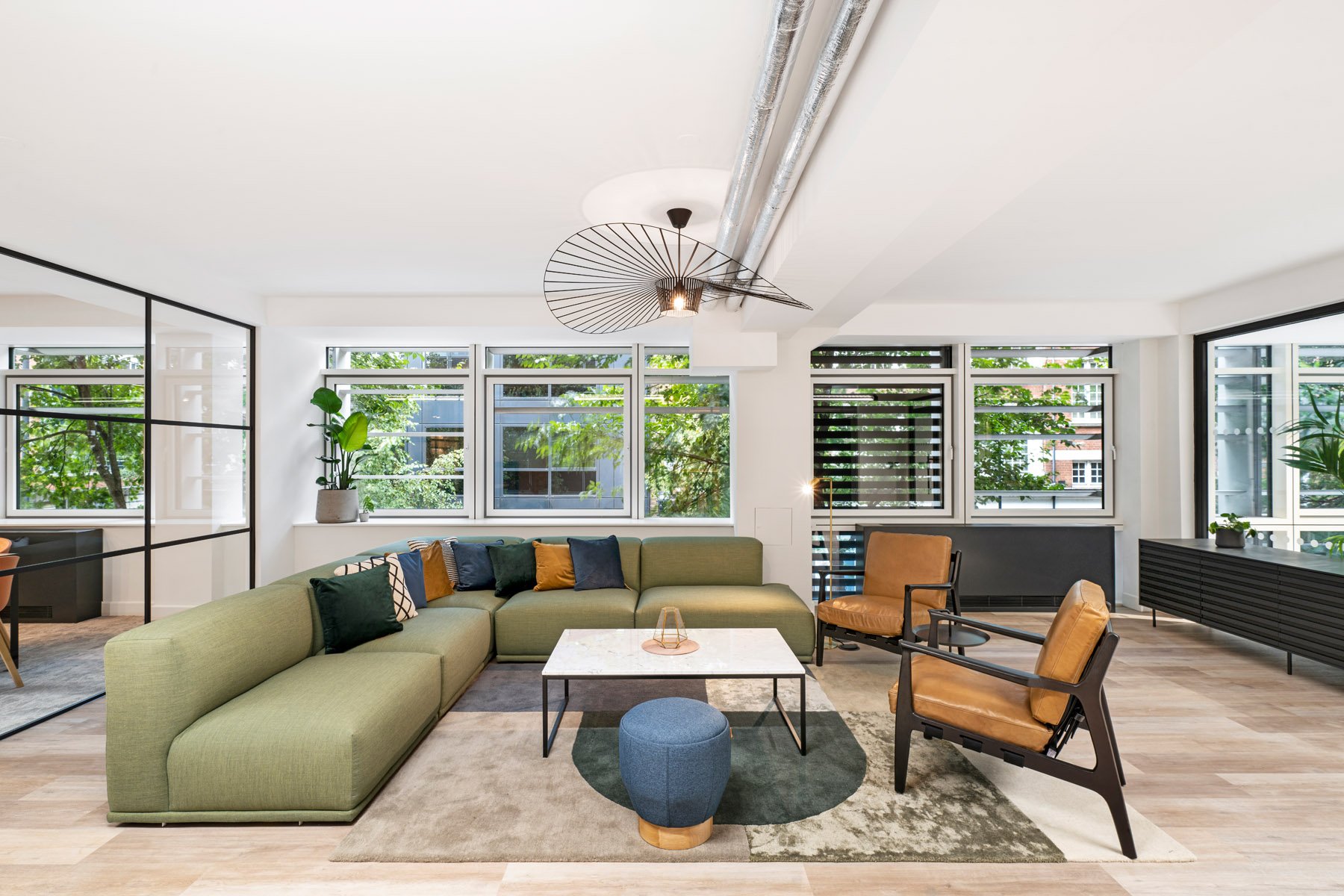
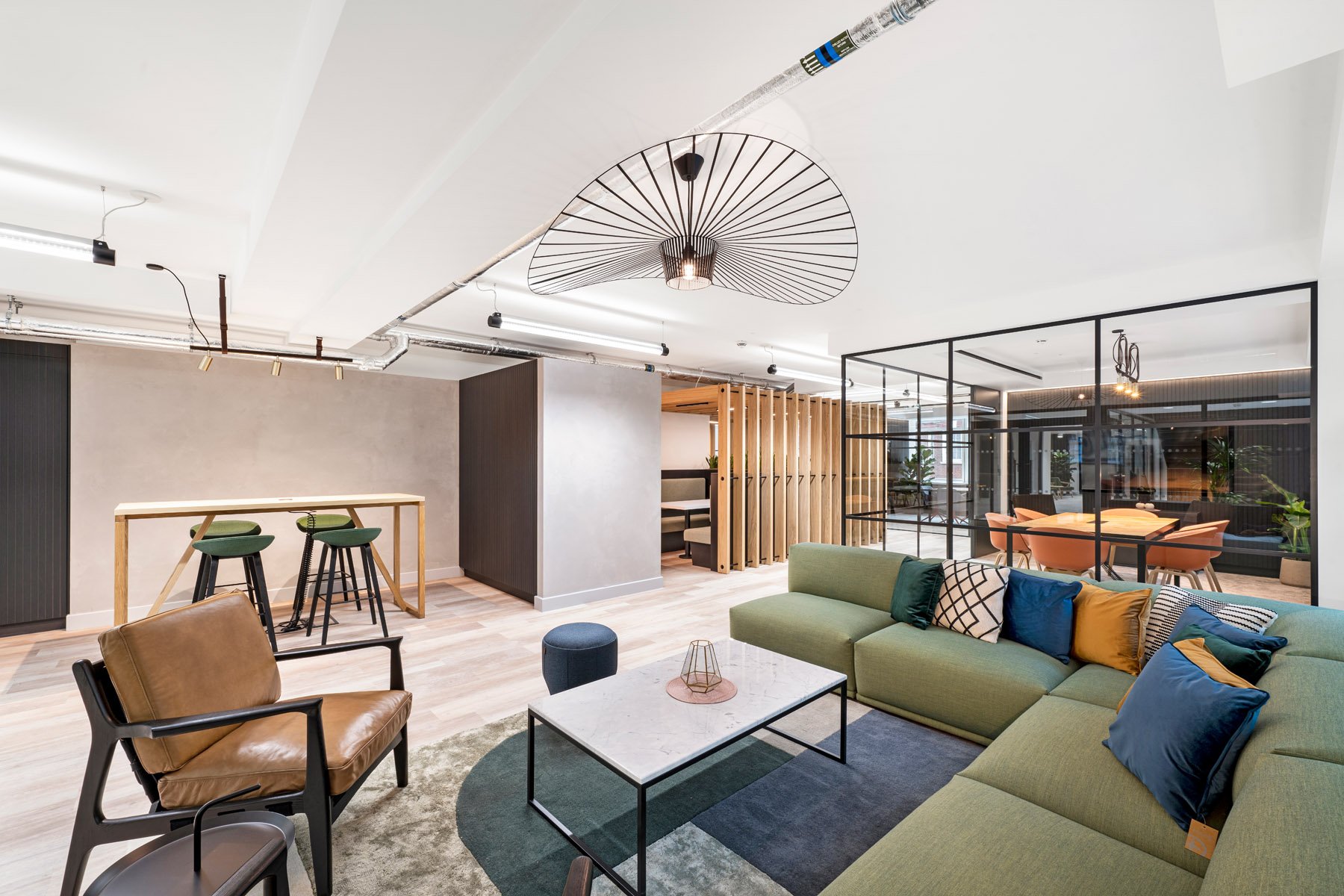
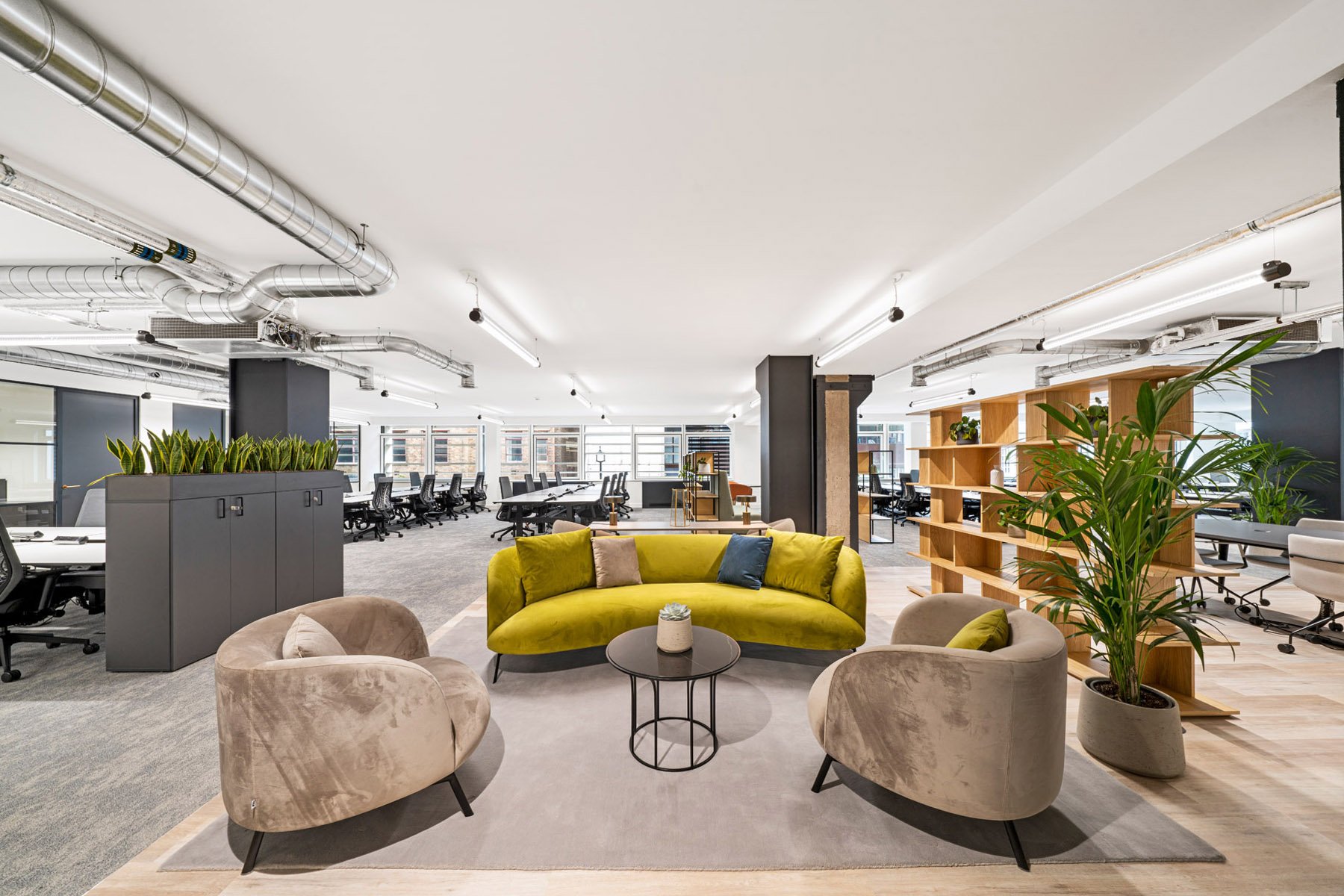
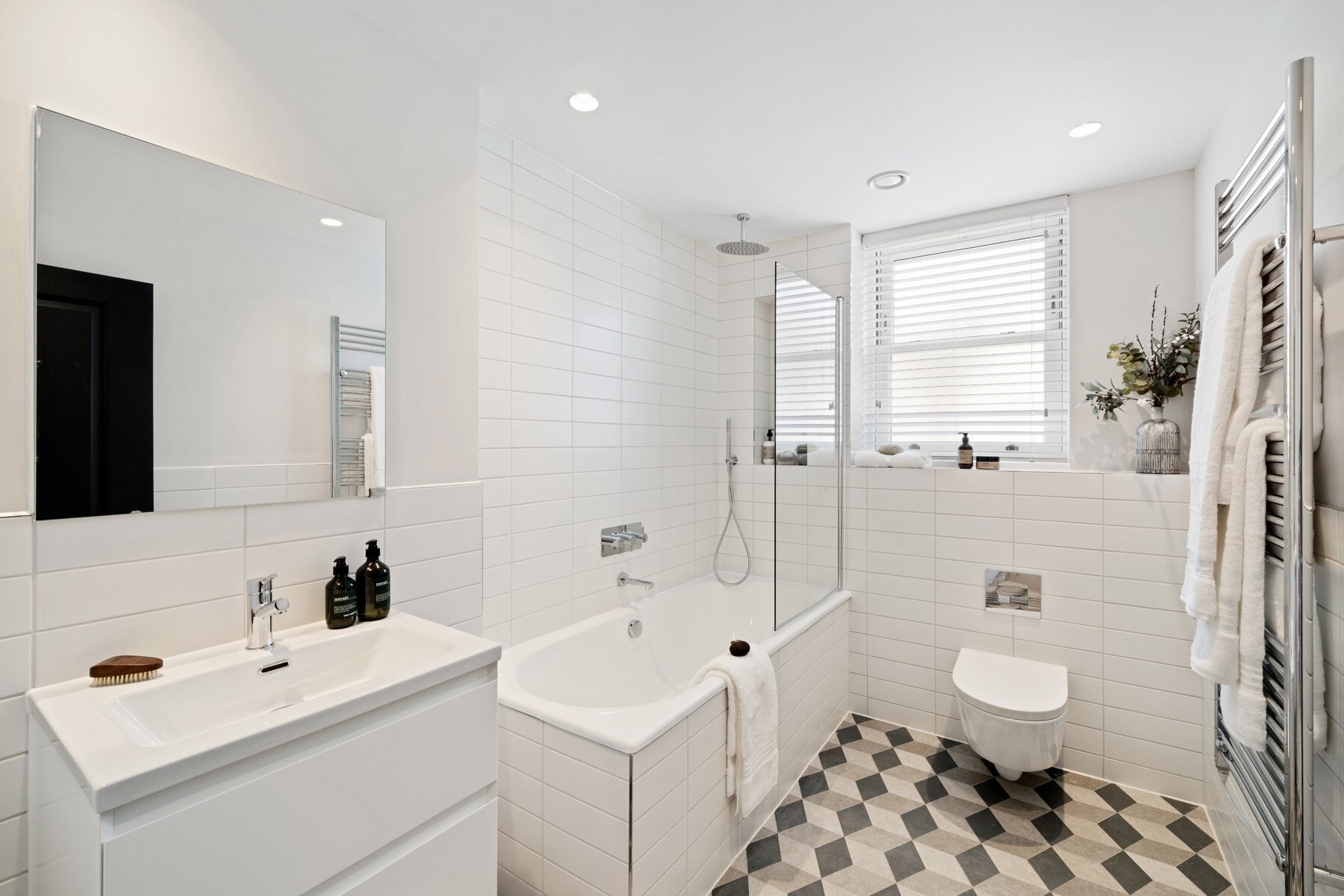
In 2022, I was commissioned by Avison Young to produce a comprehensive architectural photography series documenting the property. The purpose of the commission was to create clear, accurate and legible imagery to support commercial marketing and informed assessment of a complex heritage asset.
The photographic scope included:
exterior façades and massing
internal courtyards and urban context
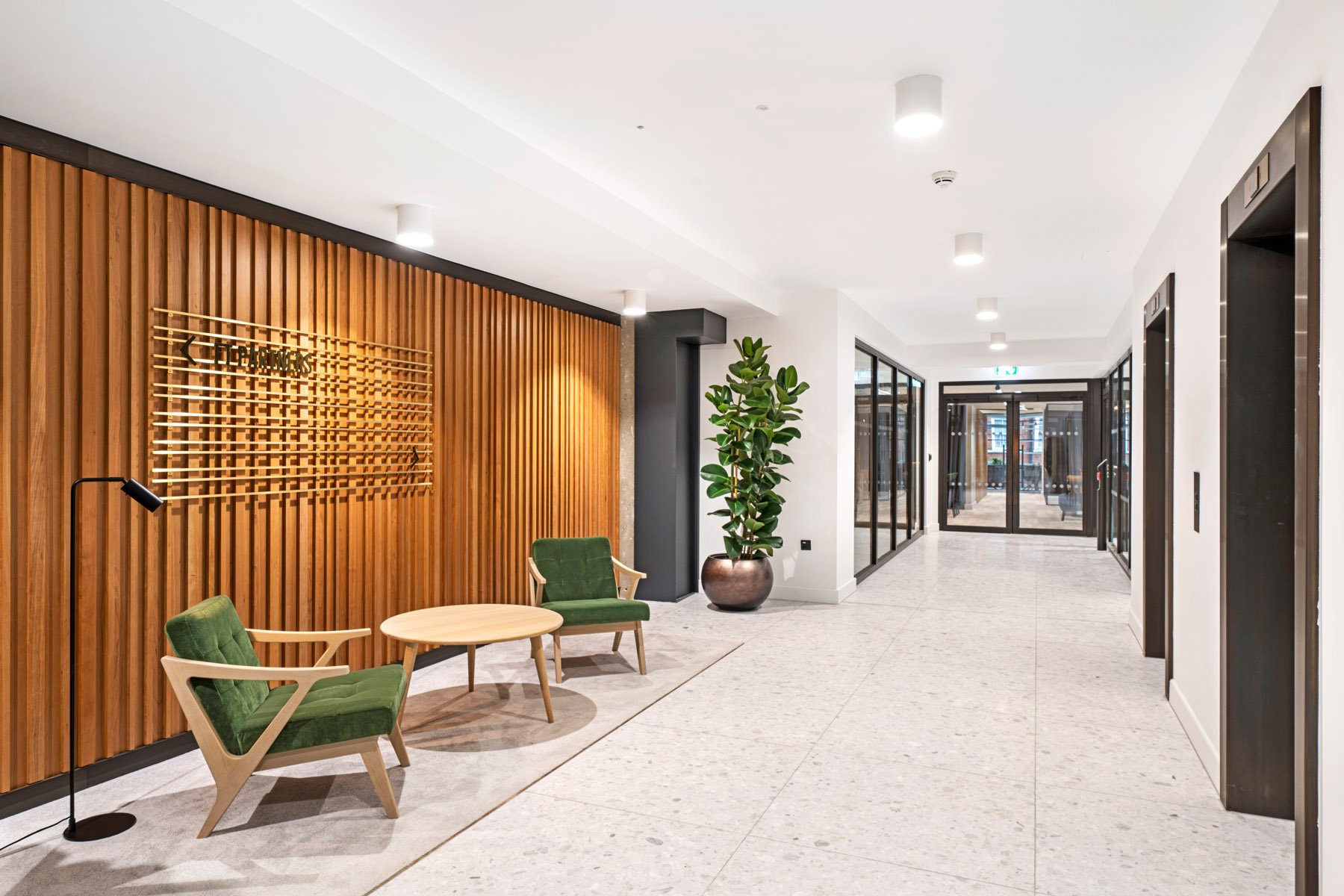
circulation spaces, corridors and staircases
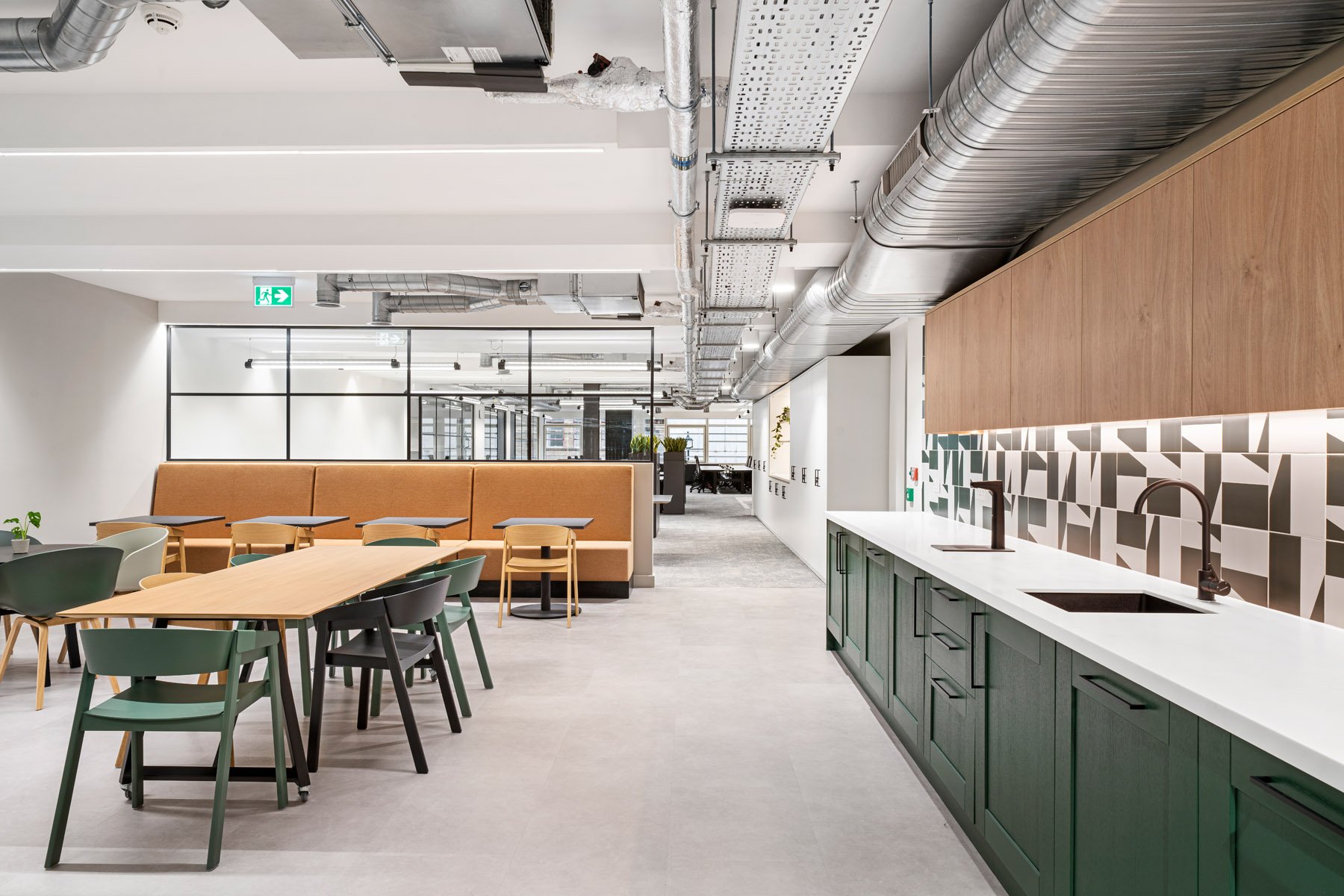
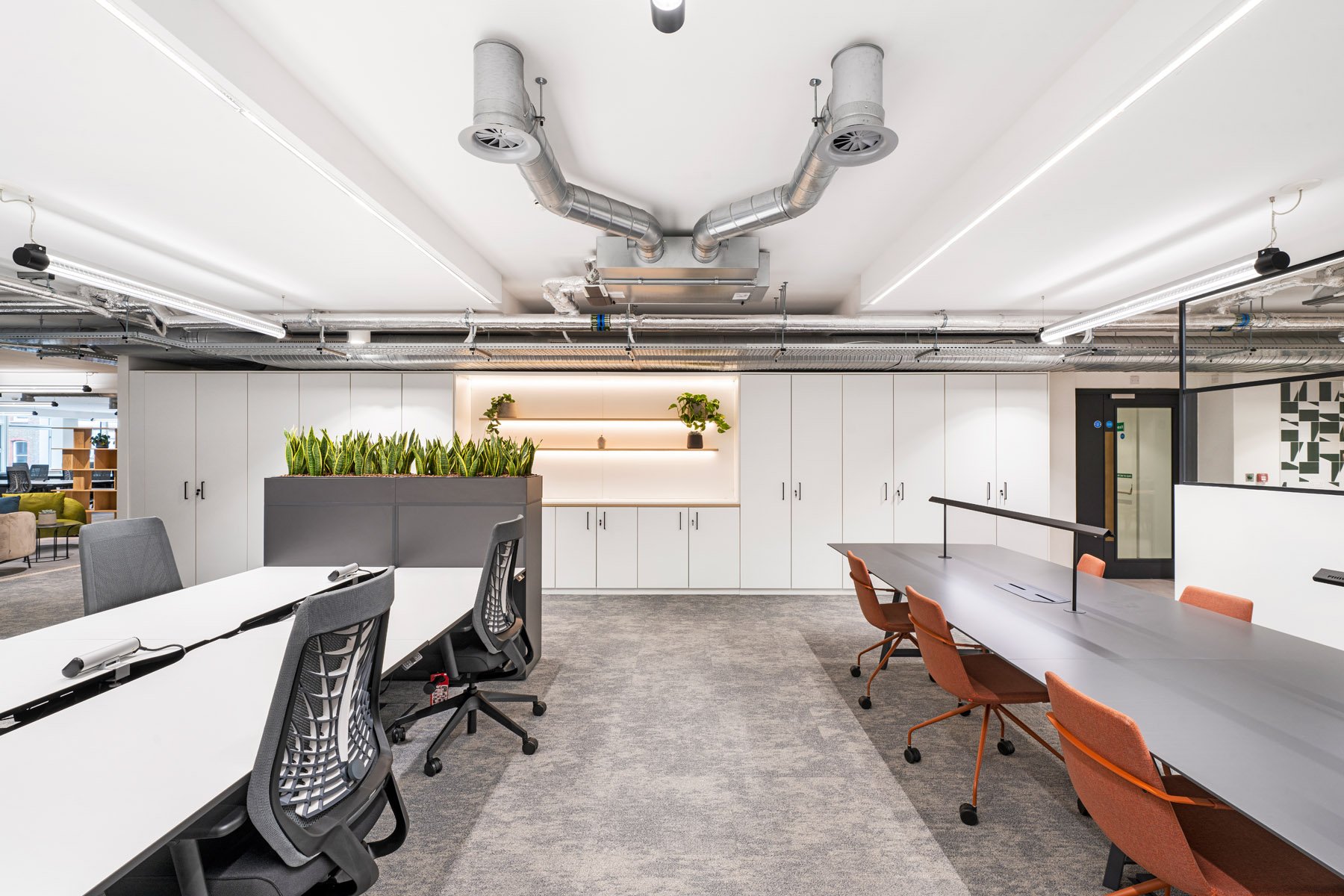
deep-plan institutional interiors
roof structures and construction detailing
See full gallery here: https://www.joasphotographer.com/blythe-house-london
The approach was intentionally documentary, prioritising spatial legibility, proportion, rhythm and hierarchy, essential qualities when photographing large-scale historic buildings with potential for future adaptation or reuse.
Photography, heritage and real estate
Buildings such as Blythe House sit at the intersection of heritage conservation, institutional architecture and long-term real estate investment. In these contexts, architectural photography functions not merely as visual promotion, but as a strategic tool that supports analysis, communication and decision-making.
Accuracy, consistency and clarity become as important as aesthetics, allowing investors, architects and asset managers to properly understand the building’s scale, constraints and potential.
Conclusion
This project highlights the role of architectural photography in communicating the enduring value of historic institutional buildings. Blythe House remains a powerful example of how late-19th-century civic architecture continues to offer relevance and opportunity today, provided it is documented with precision, respect and a clear architectural narrative.
Architectural and documentary photography by Joas Souza.